Furniture Protection & Wrapping in Richmond, CA
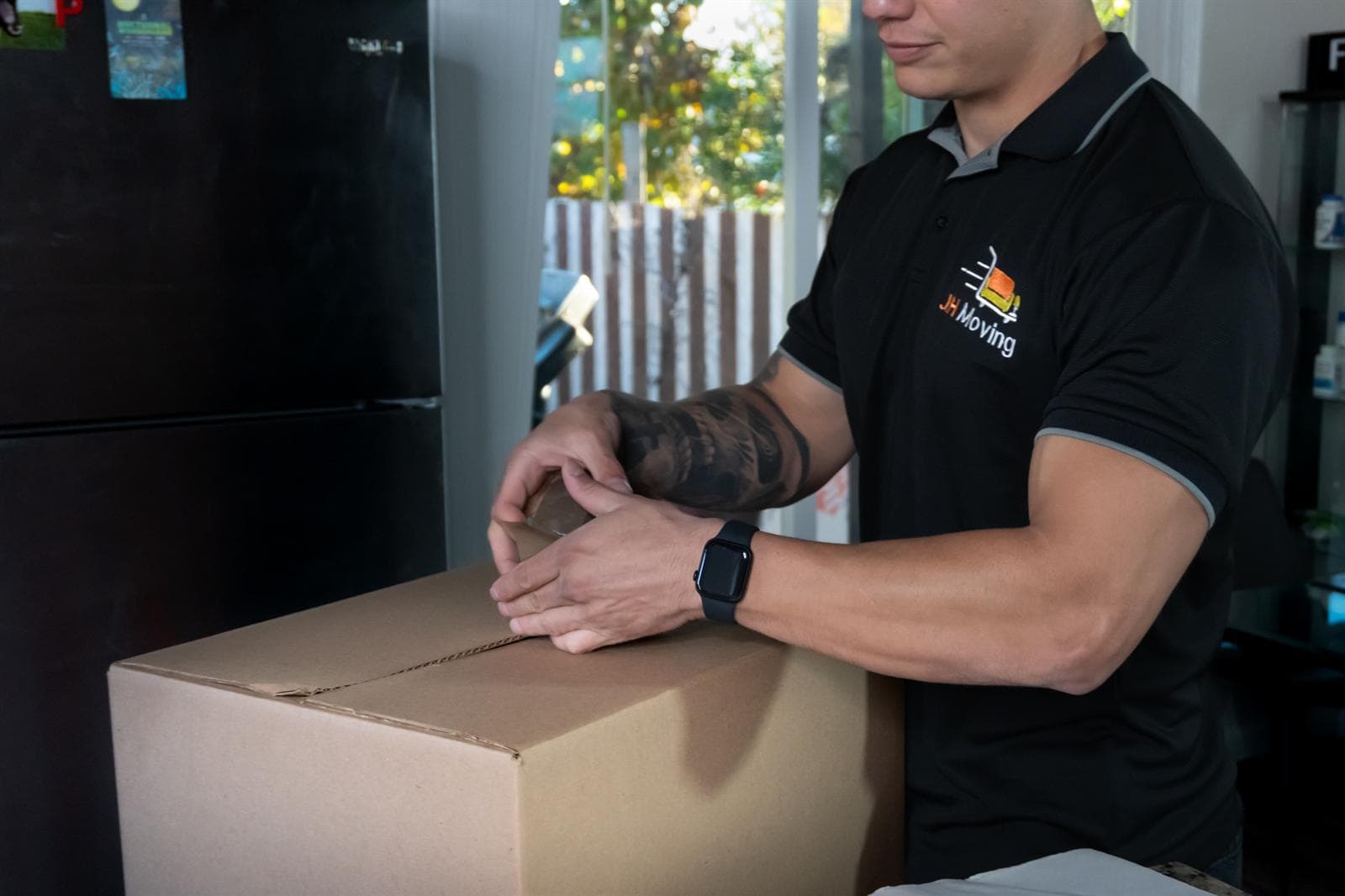
JH Moving wraps furniture on every move at no extra charge. Based in Richmond, we protect sofas, dressers, tables, and glass surfaces with quilted moving blankets, shrink wrap, and corner protectors before anything leaves your home. Our crews also lay floor runners and pad doorframes so your walls and floors stay protected. Call (510) 495-1884 for a free estimate.
Licensed & Insured
Cal-T201700
What Actually Gets Damaged During Moves
The most common complaints about movers on Yelp, Google, and Reddit fall into a short list: gouged tabletops, torn sofa arms, cracked dresser corners, chipped veneer edges, scratched hardwood floors, damaged doorframes, and the occasional broken leg on a bed frame or dining table. None of these are mysterious. They happen for specific reasons, and they're almost all preventable with the right wrapping technique and careful handling.
Understanding why they happen is what separates a mover who prevents damage from a mover who just hopes for the best.
The four failure modes that cause most move damage:
1. Unwrapped corners catching surfaces during tight turns. A dresser corner sticking out past the wrapping catches the edge of a doorframe as the crew pivots through. A table corner hits a hallway wall. A bookshelf edge drags along a banister. Corner damage is the single most common category of move damage because corners concentrate force at a small point, and an unwrapped corner has nothing between the wood and whatever it hits. The prevention is hard corner protectors on every external corner of every piece, not just a blanket.
2. Pressure damage during loading. Items stacked on furniture during truck loading. A box placed on a glass-topped table. Another piece of furniture leaned against a cabinet without padding between. Soft furniture compressed against hard furniture until the upholstery is dented. This happens when loading is rushed or when pieces aren't wrapped properly so the crew doesn't have a clear sense of what can be stacked on what. The prevention is systematic wrapping that identifies each piece's orientation and which surfaces can bear load.
3. Drag damage. Heavy furniture dragged across hardwood, tile, or carpet instead of lifted. Feet gouge floors. Legs snap off when they catch on thresholds. The underside of the furniture (usually unwrapped because it's never visible) gets destroyed. The prevention is proper two-person or three-person lifting, floor runners under the carry path, and sliders when a piece absolutely has to be repositioned on the floor.
4. Vibration damage during transit. Pieces loaded against each other without padding shift during the drive and grind against each other. Drawer faces get scratched by adjacent furniture. Upholstery gets worn on edges that rub. Loose items inside furniture (drawers with contents, shelves not emptied) shift and cause internal damage. The prevention is tight loading with padded intervals, strapping furniture at multiple points, and emptying all drawers and shelves before the move.
Our entire wrapping and loading approach is built around preventing these four failure modes specifically. Not because we read about them in a book, but because we've seen them happen enough times to know exactly what causes each one.
Different Materials Need Different Protection
A "how movers wrap furniture" answer that applies the same technique to everything is a red flag. Different materials fail differently and need different protection. This is where a careful wrap separates from a lazy one.
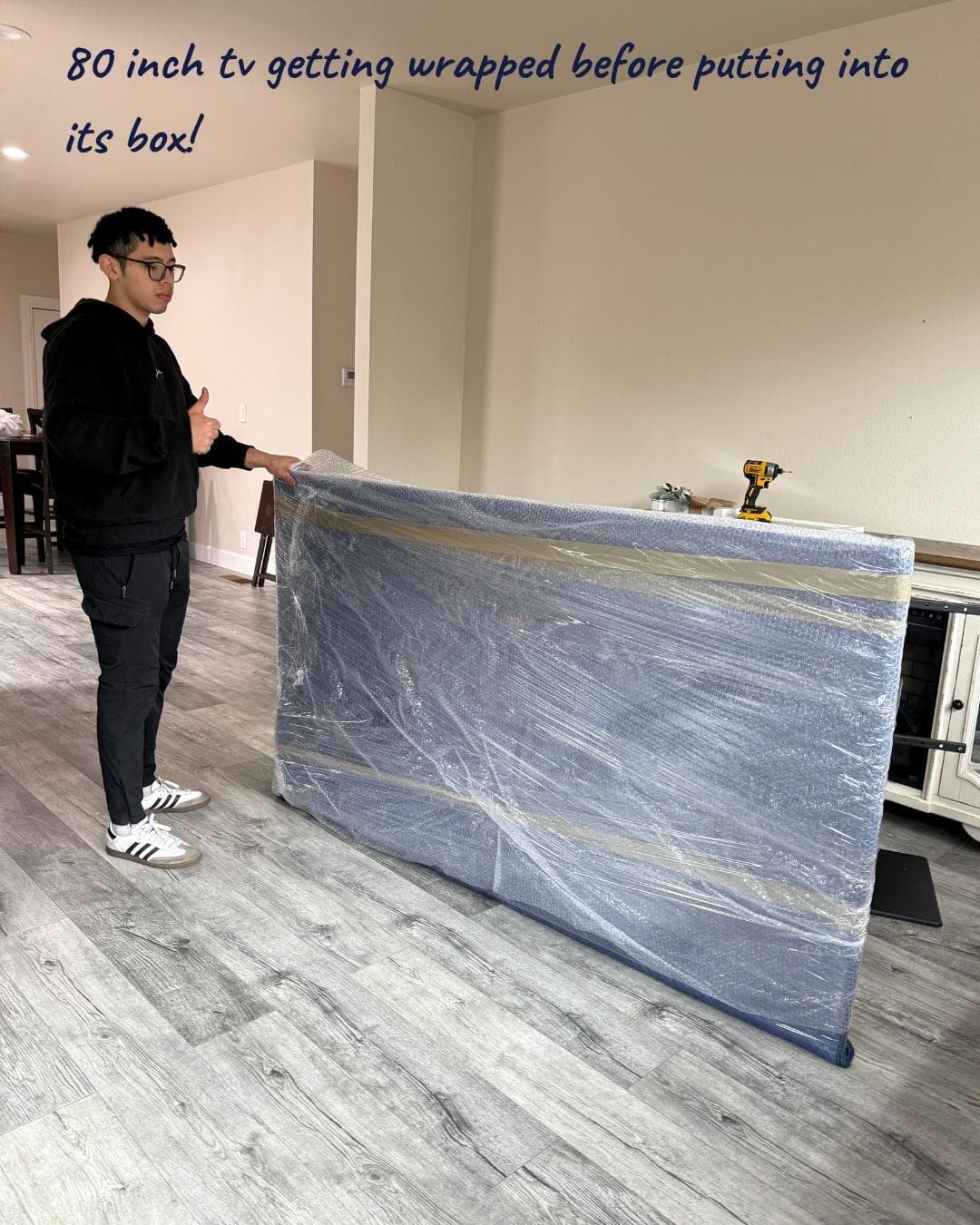
Upholstered furniture (fabric sofas, fabric chairs, upholstered headboards). The risks are fabric tears, dirt and stain transfer, moisture absorption, and edge compression. Quilted blankets cover all surfaces, shrink wrap seals out dust and moisture completely, and we avoid stacking anything on upholstered pieces during loading. Cushions get wrapped separately and loaded as soft items that can fill truck gaps.
Leather furniture. Leather has specific risks: scratches from zippers or buckles during loading, UV damage during long exposure, drying from temperature swings, and stretch marks if the piece is laid on its side for too long. We wrap leather first in a clean blanket (never directly in shrink wrap, which can trap heat and moisture against the leather), then shrink wrap over the blanket. Leather pieces are kept upright when possible during loading and transit.
Solid wood (hardwood furniture, dining tables, bed frames, dressers). The main risks are corner and edge damage from impacts, surface scratches from items placed on top during staging, and finish dulling from abrasion. Full blanket coverage, hard corner protectors on every external corner, shrink wrap holding everything in place. Pieces with complex joinery (dining tables with leaves, breakdown frames) get disassembled and wrapped separately, with hardware in labeled bags.
Wood veneer furniture. Veneer is a thin decorative layer bonded to a substrate. It fails differently from solid wood: edges can chip when wrapping is applied or removed carelessly, surfaces can bubble from moisture absorption, and heavy impacts can crack through the veneer to the substrate below. We wrap veneer pieces with extra care at the edges (often taping blanket seams away from veneer edges so tape doesn't pull veneer when removed), and we avoid any direct shrink wrap contact with veneer surfaces in hot weather because shrink wrap can bond to finishes under heat.
Antique and hand-finished furniture. Old varnishes and hand-applied finishes can react with modern wrapping materials. Glassine paper (archival, acid-free) goes against the finished surface first, then blankets, then shrink wrap. For particularly high-value antiques, additional foam edge protection on vulnerable areas. Photos before wrapping and isolation from other items during loading.
Glass furniture (glass tabletops, glass-front cabinets, mirrors). Glass risks are edge chips, center cracks from flex, and surface scratches from anything sliding across the glass during transit. Glass tabletops get removed from their bases when possible, wrapped separately in foam plus blankets plus a mirror carton, and transported upright (never flat). Glass-front cabinets get the glass masked with painter's tape in an X pattern (prevents shattered glass from scattering if breakage occurs despite protection), then wrapped normally. Mirrors get mirror cartons (corrugated cardboard cartons designed specifically for flat glass items) with padding.
Stone surfaces (marble tabletops, granite pieces). Stone is heavier than most people estimate and brittle at the edges. A 4-foot marble tabletop can weigh 200 pounds and crack from the wrong lift. We disassemble stone tops from their bases when possible, wrap in padding plus blankets, transport on edge rather than flat (flat transport puts flex stress on the center), and use three-person lifts for heavier pieces.
Metal furniture. Metal doesn't scratch as easily as wood, but it dents, bends, and picks up scuff marks that are often impossible to remove. Blanket wrapping with attention to any painted or powder-coated surfaces, avoiding direct metal-on-metal contact in the truck.
Mixed-material pieces (upholstery with wood legs, glass tops on metal frames, etc.). Each component gets wrapped according to its material. Wood legs on upholstered chairs get blanket-wrapped plus corner protection. Glass tops on metal frames get separated from the base when possible, wrapped separately, and sometimes loaded in a mirror carton for the glass portion.
This is what "we wrap every piece" actually means when it's done right.
Protecting Your Home, Not Just Your Furniture
Furniture damage gets the most attention, but home damage is often what ends up costing the customer money, either through security deposit losses or repair bills. A careless move can cost more in wall patching and floor refinishing than in furniture replacement.
Floors. Hardwood, tile, luxury vinyl plank, and polished concrete all scratch. Carpeted floors pick up dirt and can be crushed under heavy furniture. We lay non-slip floor runners along the entire carry path from the front door to each room where furniture needs to move. Runners cover roughly 80 percent of the exposed floor the crew will actually use. For shorter distances or specific hot spots (the transition at a doorway, the pivot point in a hallway), we add additional pads.
Stairs and banisters. Staircases are where most floor and wall damage happens during moves because they're narrow, tight-cornered, and everything is traveling vertically. Banister pads cover the railings so furniture carried along the stairs doesn't rub against or chip the banister finish. Stair treads get runner coverage if they're hardwood or tile. The outside corner at the top and bottom of staircases gets particular attention because that's where large pieces pivot.
Walls and doorframes. The corners of doorframes and the edges of wall intersections are where furniture most often makes wall contact during tight turns. Doorframe pads (thick foam pads that slip over the doorframe edge) protect both the doorframe and the furniture. For particularly tight passages, we sometimes add temporary wall padding as well.
Entryways and exterior thresholds. The transition from outdoor to indoor (main entry, garage entry) often has a threshold that catches on furniture feet and bottoms. We watch for these and lift rather than drag across them.
Elevator interiors. Apartment and condo moves often involve elevator use, and building management usually requires elevator pad coverage during moves (elevators typically have a hanging-pad system for this purpose). We coordinate with building management on elevator reservation and padding at booking, so the pads are hung before the first piece of furniture is loaded in.
Light fixtures and low-hanging hazards. On the way out, we note any low-hanging light fixtures, chandeliers, or architectural elements that need to be avoided. On the way in, we note the same at the new home. A chandelier clipped by a dresser being carried through a dining room is a bad day for everyone.
The Pre-Existing Damage Documentation Process
This is an operational step most customers don't know about until it prevents a dispute, and most movers don't mention on their websites because they don't actually do it.
Before a crew starts wrapping and loading, the crew lead walks through the home with you and documents the condition of high-value or high-risk pieces on a condition report or inventory sheet. Existing scratches, dents, worn spots, stains, fabric tears, loose hardware, and any other pre-existing damage gets noted. We photograph particularly valuable pieces before wrapping.
The point is twofold. It protects you: if something happens during the move, you have documented baseline condition to support a claim. It protects us: if you discover damage later that was pre-existing, we have documentation showing the piece arrived in that condition.
Less formal moving operations skip this because it takes 15 to 30 minutes at the start of the job and feels awkward to customers who've never seen it done. But skipping it is how damage disputes turn into arguments where both sides end up frustrated. Doing it is how actual damage (when it happens) turns into actual claims that actually get resolved.
For shorter, simpler moves (small jobs, labor-only work on low-value items), documentation can be less formal. For longer moves, high-value inventory, or any piece you particularly care about, we recommend and usually offer documentation by default.
How Furniture Wrapping Fits Into the Move
-
Walkthrough and prep. The crew arrives, walks through the home with you, identifies pieces that need wrapping and any pieces needing special attention, and notes pre-existing damage on the inventory. This usually takes 15 to 30 minutes depending on home size.
-
Lay floor protection. Before anything moves, floor runners go down on the carry path. Doorframe pads go up on every doorway the furniture will pass through. Banister pads cover stairway railings if the move involves stairs.
-
Wrap each piece systematically. Starting in one room at a time, the crew wraps every piece before moving any of it. Soft pieces (sofas, chairs) get blanket and shrink wrap. Wood pieces get blanket, shrink wrap, and corner protectors. Glass pieces get disassembled and specially wrapped. Antique or high-value pieces get the extra treatment.
-
Load with protection in mind. Wrapped furniture goes onto the truck with weight distribution and surface compatibility considered. Heavy pieces against the back wall, upright. Upholstery on top or in protected positions, never with heavy items stacked on it. Glass pieces transported upright in mirror cartons. Soft items filling gaps.
-
Deliver, unwrap, and clean up. At the new home, floor protection and doorframe pads go up before furniture comes off the truck. Pieces carry in along protected pathways. Wrapping comes off at placement. The used wrap materials leave with the crew. You're not left with a pile of blankets and plastic to deal with.
Wrapping Work We Do Every Week
Residential moves (the default). Full wrapping of every furniture piece in the home as part of standard moving service. Included in every booked move at no extra charge.
High-value and antique collection moves. Moves where the furniture inventory includes pieces requiring extra care: antique dressers, designer upholstery, fine art furniture, heirloom pieces. Extended wrapping protocols and documentation.
Staging and art-furniture moves. Real estate staging where professionally designed pieces need to move in and out without damage to the items or to the home being staged.
Commercial and office moves. Office furniture, executive-level desks, conference tables, and lobby furniture wrapped with the same care as residential. See our office packing service for the full commercial picture.
Delivery protection for high-end purchases. Occasional jobs where a customer has bought a high-value piece from a gallery, auction, or private seller and needs it transported and wrapped between pickup and home delivery. Labor-only with wrapping included.
What to Do Now
- Get your free estimate by calling (510) 495-1884 or filling out the online form. We'll walk through the pieces in your home and recommend the right level of wrapping for each.
- Identify high-value and sentimental pieces ahead of time so we know which pieces to document before wrapping.
- Empty drawers and shelves before the crew arrives. Loose contents shift during transit and cause internal damage to the furniture.
- Remove removable components (glass shelves from cabinets, glass tops from tables, removable doors from armoires) so they can be wrapped separately and more safely.
- Note any pre-existing damage you're already aware of so the walkthrough documentation is accurate.
Before hiring any mover, verify their California moving license through the BHGS license search tool. Our license number is Cal-T201700.
Need your entire home packed and wrapped? Our full-service packing team handles everything from kitchen cabinets to bedroom closets, with the same material-specific attention. If you need boxes and supplies for items you're packing yourself, see our moving boxes and packing kits. Browse all options on the packing services hub, or see our full list of moving services.
Get a Free Estimate
Call us or fill out our form for an honest quote with no hidden fees.
(510) 495-1884Or fill out our formWhy JH Moving
Professional Packing Services & Moving Supplies in Action
Everything You Get With Furniture Protection & Wrapping
What Customers Say About Our Furniture Protection
Real customers, real moves, real results.
Frequently Asked Questions
The short version: quilted moving blankets for broad surfaces, shrink wrap to hold blankets in place and seal against dust and moisture, hard corner protectors on edges, and specific techniques for different materials (upholstery, wood, veneer, glass, stone, antique finishes). The longer version is that every piece of furniture has specific vulnerabilities (soft upholstery to staining, wood to corner damage, veneer to edge chipping, glass to pressure cracks) and protection methods that match the material. Our crews wrap each piece based on what it's made of, not a generic 'throw a blanket on it' approach. We also protect your home with floor runners, doorframe pads, and banister covers so the carry path stays as intact as your furniture.
You Might Also Need
Ready to Move With Your Furniture Actually Protected?
Call (510) 495-1884 or request a free estimate. We'll walk you through how we approach the pieces in your home and what protection each one needs.
Licensed Cal-T201700. 300+ five-star reviews. Family-owned and based in Richmond for 7 years.
Each piece wrapped. Every surface covered. Every move.
Serving the East Bay and Bay Area